For restaurants, fast-food chains, and foodservice brands, packaging is more than a way to carry food. It influences product presentation, customer experience, and brand recognition.
Custom printed burger boxes allow businesses to combine functional takeaway packaging with distinctive logos, colors, and designs. However, ordering customized packaging in large quantities requires careful planning.
From paperboard selection and printing techniques to structural design, production costs, and lead times, several factors can affect the final packaging.
This guide explores six important considerations for businesses planning to purchase custom burger boxes in bulk.
1. Choose the Right Material for Your Burger Boxes
Selecting suitable materials is the foundation of reliable burger packaging. The paperboard affects appearance, printing quality, rigidity, and performance during foodservice.
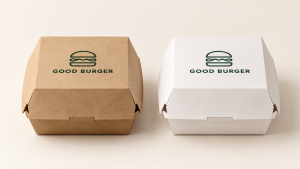
Kraft Paperboard vs. White Paperboard
Kraft paperboard is widely used for takeaway packaging because of its natural brown appearance and versatile construction. It is particularly suitable for minimalist branding, simple logos, and food businesses seeking an earthy packaging style.
White paperboard provides a clean surface for colorful graphics and detailed artwork. It is often preferred by restaurant chains and food brands that require bright colors and consistent visual presentation.
When choosing between these materials, consider your brand identity, printing requirements, and intended food applications rather than appearance alone.
Grease Resistance and Food Safety
Burgers often contain oils, sauces, and moisture that may weaken unsuitable packaging materials.
Grease-resistant barriers or appropriate food-contact coatings can help reduce oil penetration and maintain packaging integrity.
For international buyers, it is also important to confirm that the selected materials comply with applicable food-contact regulations in the destination market.
2. Understand Your Custom Printing Options
One of the main benefits of custom burger packaging is the opportunity to turn everyday takeaway boxes into recognizable branded packaging.
Logo Printing and Brand Design
Custom burger boxes with logo printing can display brand colors, illustrations, slogans, and other visual elements that reinforce a restaurant’s identity.
A consistent packaging design helps customers recognize the brand across takeaway counters, delivery orders, and multiple restaurant locations.
Before production, buyers should prepare suitable artwork files and confirm the printing layout with their packaging manufacturer.
Common Burger Box Printing Methods
Different printing techniques are available depending on the design and production requirements.
- Flexographic Printing: Commonly used for repeat production runs and relatively simple packaging graphics.
- Offset Printing: Suitable for detailed illustrations, multicolor designs, and high-quality printed surfaces.
- Digital Printing: Often useful for design testing, sampling, and selected short-run applications.
The most suitable printing method depends on the artwork, paperboard surface, production volume, and budget.
Surface Finishing Options
Matte, glossy, and water-based coatings can create different visual effects and surface characteristics.
However, the selected finish should be compatible with the packaging material and its intended food-contact application.
Requesting printed samples can help buyers evaluate color accuracy, surface appearance, and overall branding quality before mass production.
3. Consider Box Structure and Practical Performance
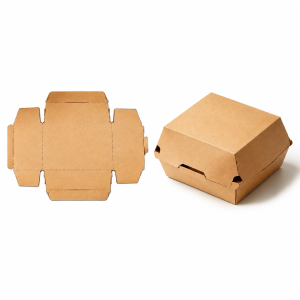
Good packaging design should balance appearance with functionality.
For restaurants handling large numbers of takeaway orders, packaging that is easy to assemble and reliable during transportation can improve daily operations.
Folding and Structural Design
Custom burger boxes are available in different folding structures, closure systems, and packaging configurations.
Important structural considerations include:
- Easy assembly during busy service periods
- Secure closures that help prevent accidental opening
- Sufficient rigidity for handling and transportation
- Efficient flat-packed storage before use
For large restaurant chains and packaging distributors, flat-packed designs may also help optimize warehouse space and shipping efficiency.
Performance During Takeaway and Delivery
Delivery packaging faces different challenges from packaging used for immediate consumption.
Moisture, steam, grease, and movement during transportation can influence packaging performance.
Depending on the application, ventilation features, appropriate barrier materials, and secure folding structures may improve the overall takeaway experience.
Before confirming a bulk order, businesses should test the packaging with their actual food products to evaluate its performance under realistic conditions.
4. Understand MOQ and Bulk Pricing Factors
Minimum order quantity and unit pricing are important considerations when purchasing wholesale burger boxes.
Custom packaging production involves material preparation, printing setup, die-cutting, and finishing processes. These operations influence both production costs and minimum order requirements.
Minimum Order Quantity for Custom Burger Boxes
The MOQ varies according to the manufacturer, printing technique, packaging structure, and customization requirements.
For example, Karde Food Packing generally offers custom printed burger boxes starting from 5,000 pieces, although the actual MOQ may vary depending on the design.
For restaurant chains and distributors with recurring demand, planning larger production runs may help improve purchasing efficiency.
What Affects Custom Burger Box Pricing?
Several factors influence the final unit cost:
- Material selection: Different paperboard types and thicknesses have different costs.
- Printing requirements: Color coverage, artwork complexity, and printing methods affect production expenses.
- Box construction: Special folding structures and die-cutting requirements may increase setup costs.
- Surface finishing: Additional coatings or finishing treatments can influence pricing.
- Order quantity: Higher quantities may reduce certain production costs per unit.
Shipping arrangements and packing methods can also affect the total purchasing cost, particularly for international wholesale orders.
5. Confirm Sampling and Production Lead Times
Before placing a large order for custom printed burger boxes, sampling is an important step in verifying the final packaging design.
Why Packaging Samples Matter
Samples allow buyers to examine the actual materials, printing quality, folding structure, and assembly process.
They also provide an opportunity to identify potential issues before mass production.
For example, a box may look suitable in a digital design but require adjustments to its locking tabs, printed colors, or overall rigidity.
Testing physical samples with real menu items helps ensure that the finished packaging meets practical foodservice requirements.
Production and Delivery Planning
A typical customization process includes artwork confirmation, sample preparation, approval, mass production, and quality inspection.
At Karde Food Packing, custom sampling generally takes around 5–7 working days, while production is typically estimated at approximately 25 working days after sample approval.
Actual schedules depend on order specifications and production arrangements.
International buyers should also account for transportation and customs clearance when planning packaging purchases for restaurant openings, promotions, or recurring supply.
6. Choose a Reliable Custom Burger Box Manufacturer
Selecting the right burger box manufacturer is important for businesses seeking consistent quality and dependable long-term supply.
Manufacturing and Customization Capabilities
A capable packaging supplier should be able to support material selection, printing, structural development, and bulk production.
Manufacturers with in-house printing, die-cutting, and box-gluing equipment can coordinate multiple production stages and support customized packaging requirements.
For buyers developing branded burger packaging, clear communication about artwork, structural details, and technical limitations is equally important.
Quality Control and Documentation
Consistent printing, accurate folding, reliable materials, and finished-product inspection are essential for repeat orders.
Buyers should also verify relevant food-contact documentation and confirm its applicability to the selected packaging materials and intended market.
Experience with International Orders
For importers and wholesale distributors, export experience is another important consideration.
Clear production schedules, appropriate carton packing, shipping coordination, and responsive communication can help support a smoother purchasing process.
Final Thoughts
Ordering custom printed burger boxes in bulk involves more than selecting a logo or packaging style. Material performance, printing quality, structural design, production quantity, and manufacturer capabilities all contribute to the final result.
By evaluating these factors before production, restaurants, food brands, and packaging distributors can develop packaging that meets both branding and operational needs.
Looking for custom burger packaging for your business?
Karde Food Packing supports custom printing, structural options, and bulk production for foodservice brands and packaging distributors.
Explore Our Custom Burger Boxes to learn more about available customization options and discuss your packaging requirements.